
وصف المنتج
CZPT rollers enhance rotation on the bushing while reducing impact loads on the sprocket tooth during operation.
All components are heat treated to achieve maximum strength. All components are heat treated to achieve maximum strength.
Pre-loaded during the manufacturing process to minimize initial elongation.
Hot dipped lubrication ensures 100% lubrication of all chain components to extend wear life and reduce maintenance costs.
| CHC NO. |
PITCH | BUSH WIDTH |
ROLLER DIA |
PIN | PLATE | MIN. STRENGTH |
AVG. STRENGTH |
MAX. STRENGTH |
TRANS PITCH |
|||
| d | L | LC | H | تي | ||||||||
| mm | mm | mm | mm | mm | mm | mm | mm | kgf | kgf | kgf | mm | |
| C35-1 | 9.525 | 4.68 | 5.08 | 3.60 | 12.15 | 13.40 | 8.80 | 1.25 | 800 | 1,100 | 220 | NIL |
| C40-1 | 12.700 | 7.85 | 7.92 | 3.98 | 17.80 | 21.00 | 12.00 | 1.50 | 1,420 | 1,950 | 370 | NIL |
| C50-1 | 15.875 | 9.40 | 10.16 | 5.09 | 21.80 | 25.00 | 15.00 | 2.00 | 2,200 | 3,100 | 650 | NIL |
| C60-1 | 19.050 | 12.58 | 11.91 | 5.96 | 26.90 | 31.00 | 18.00 | 2.35 | 3,190 | 4,200 | 920 | NIL |
| C80-1 | 25.400 | 15.75 | 15.87 | 7.94 | 33.50 | 38.00 | 24.10 | 3.20 | 5,680 | 7,500 | 1,500 | NIL |
| C100-1 | 31.750 | 18.90 | 19.05 | 9.54 | 41.10 | 47.00 | 30.10 | 4.00 | 8,870 | 12,100 | 2,300 | NIL |
| C120-1 | 38.100 | 25.23 | 22.22 | 11.11 | 50.80 | 57.00 | 36.20 | 4.70 | 12,770 | 16,000 | 3,100 | NIL |
| C140-1 | 44.450 | 25.23 | 25.40 | 12.71 | 54.90 | 62.00 | 42.20 | 5.50 | 17,380 | 21,000 | 4,100 | NIL |
| C160-1 | 50.800 | 31.55 | 25.87 | 14.29 | 65.50 | 73.00 | 48.20 | 6.40 | 22,700 | 30,000 | 5,400 | NIL |
| C40-2 | 12.700 | 7.85 | 7.92 | 3.98 | 32.30 | 36.20 | 12.00 | 1.50 | 2,840 | 3,900 | 630 | 14.38 |
| C50-2 | 15.875 | 9.40 | 10.16 | 5.09 | 39.90 | 44.00 | 15.00 | 2.00 | 4,440 | 6,200 | 1,100 | 18.11 |
| C60-2 | 19.050 | 12.58 | 11.92 | 5.96 | 49.80 | 54.40 | 18.00 | 2.35 | 6,380 | 8,400 | 1,530 | 22.78 |
| C80-2 | 25.400 | 15.75 | 15.87 | 7.94 | 62.70 | 68.10 | 24.10 | 3.20 | 11,360 | 15,000 | 2,550 | 29.29 |
| C100-2 | 31.750 | 18.90 | 19.05 | 9.54 | 77.00 | 83.10 | 30.10 | 4.00 | 17,740 | 24,200 | 3,900 | 35.76 |
| C120-2 | 38.100 | 25.23 | 22.22 | 11.11 | 96.30 | 102.90 | 36.20 | 4.70 | 25,540 | 32,000 | 5,250 | 45.44 |
| C140-2 | 44.450 | 25.23 | 25.40 | 12.71 | 103.60 | 111.00 | 42.20 | 5.50 | 347,600 | 42,000 | 6,970 | 48.87 |
| C160-2 | 50.800 | 31.55 | 28.57 | 14.29 | 124.20 | 132.10 | 48.20 | 6.40 | 57,460 | 60,000 | 9,150 | 58.55 |
| الاستخدام: | Transmission Chain, Conveyor Chain, Roller Chain |
|---|---|
| مادة: | سبائك/فولاذ كربوني |
| معالجة السطح: | تلميع |
| ميزة: | مقاوم للحرارة |
| حجم السلسلة: | 3/8"*2" |
| بناء: | سلسلة بكرات |
| التخصيص: |
متاح
| طلب مخصص |
|---|
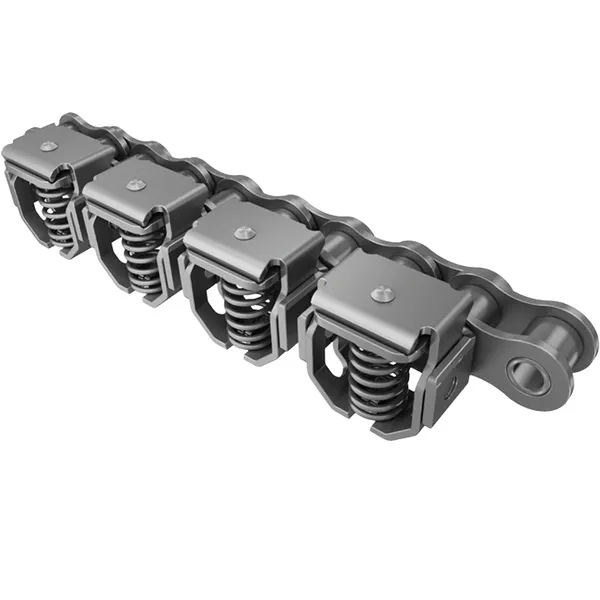
What are the benefits of using a self-lubricating conveyor chain?
Self-lubricating conveyor chains offer several advantages over traditional lubricated chains. Here are some key benefits:
1. Reduced Maintenance: Self-lubricating chains eliminate the need for regular lubrication, reducing the time and effort required for maintenance. This is particularly beneficial in applications where access to the chain is difficult or time-consuming.
2. Cost Savings: By eliminating the need for external lubrication, self-lubricating chains can help reduce lubrication costs over the lifetime of the chain. This includes the cost of lubricants, as well as the labor and equipment required for lubrication maintenance.
3. Clean and Environmentally Friendly: Self-lubricating chains do not require external lubricants, resulting in a cleaner working environment. There is no risk of lubricant spills or contamination of the surrounding area, making them ideal for applications that require strict cleanliness standards, such as food processing or pharmaceutical industries.
4. Extended Chain Life: Self-lubricating chains are designed with built-in lubrication systems that provide a continuous and controlled supply of lubricant to the chain components. This helps reduce friction, wear, and heat generation, resulting in longer chain life and improved performance.
5. Improved Reliability: With consistent and reliable lubrication, self-lubricating chains maintain optimal performance and minimize the risk of chain failure or breakdown. They are less susceptible to premature wear, elongation, and corrosion, ensuring a more reliable and efficient conveyor system.
It’s important to note that the specific benefits of self-lubricating chains may vary depending on the manufacturer and the design of the chain. It’s recommended to consult with the chain manufacturer or an industry expert to understand the suitability and advantages of self-lubricating chains for a particular application.
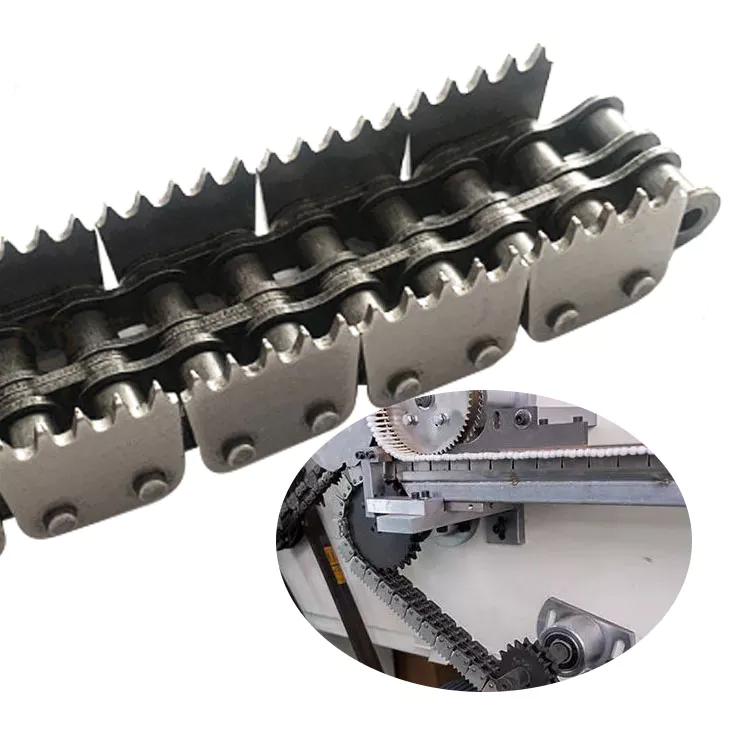
What are the different attachment options available for a conveyor chain?
Conveyor chains can be equipped with various types of attachments or accessories to accommodate specific material handling needs. Here are some common attachment options:
1. Cleats or Flights: Cleats or flights are raised sections attached to the conveyor chain to prevent materials from slipping or sliding off the chain. They are commonly used in incline or decline applications or when handling loose or bulk materials.
2. Side Plates or Side Guards: Side plates or side guards are installed along the edges of the conveyor chain to provide containment and prevent materials from spilling or falling off the sides. They are particularly useful when conveying small or irregularly shaped items.
3. Pusher Bars: Pusher bars are extensions mounted on the conveyor chain that can be pneumatically or mechanically actuated to push materials onto a different conveyor line or divert them to a specific location. They are often used for sorting or diverting applications.
4. Hold-Downs or Brackets: Hold-downs or brackets are devices attached to the conveyor chain to secure and stabilize the transported materials. They ensure that the materials remain in a fixed position during the conveying process, especially when encountering vibrations or changes in speed.
5. Guide Rails: Guide rails are installed alongside the conveyor chain to provide guidance and alignment for the materials being conveyed. They help maintain the desired path and prevent lateral movement or misalignment.
6. Magnetic Attachments: Magnetic attachments are used when handling ferrous materials. They allow the conveyor chain to attract and hold magnetic objects, ensuring effective transport and separation.
7. Tooling Plates: Tooling plates are platforms or mounting surfaces attached to the conveyor chain to accommodate specific equipment, such as fixtures, sensors, or robotic arms. They provide a convenient and customizable interface for integrating additional functionalities into the conveyor system.
8. Diverters or Transfer Units: Diverters or transfer units are specialized attachments that enable the seamless transfer of materials from one conveyor line to another, or between different processing stations. They ensure smooth transitions and precise material flow control.
These attachment options offer flexibility and versatility in conveyor chain applications, allowing customization based on the specific requirements of the material being transported or the production process. By selecting the appropriate attachments, conveyor chains can effectively handle a wide range of materials and optimize material flow within a conveyor system.
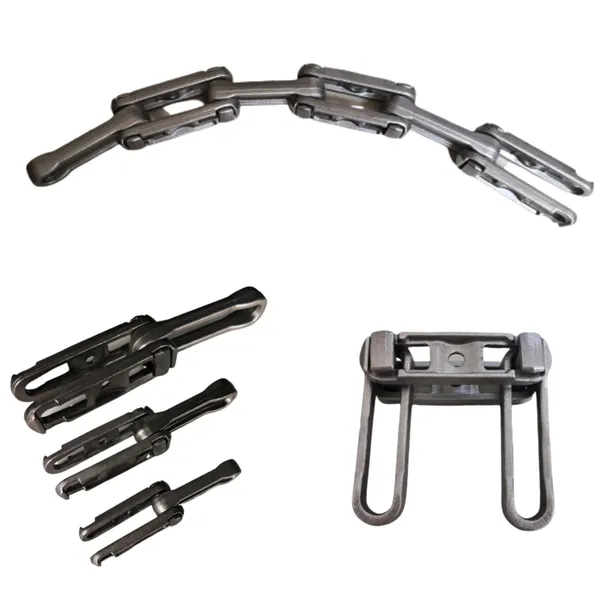
ما هي مستويات الضوضاء المرتبطة بسلاسل النقل؟
يمكن أن تختلف مستويات الضوضاء المرتبطة بسلاسل النقل تبعاً لعدة عوامل:
1. نوع السلسلة: تُصدر أنواع مختلفة من سلاسل النقل مستويات ضوضاء متفاوتة. على سبيل المثال، تميل سلاسل البكرات إلى توليد ضوضاء أكثر مقارنةً بالسلاسل الصامتة أو السلاسل البلاستيكية المعيارية.
2. السرعة: تؤثر سرعة تشغيل سلسلة النقل على مستوى الضوضاء. وتؤدي السرعات العالية عمومًا إلى زيادة الضوضاء نتيجةً للصدمات والاحتكاك بين السلسلة والمكونات الأخرى.
3. حالة السلسلة: تؤثر حالة سلسلة النقل على توليد الضوضاء. فالسلاسل البالية أو التي لا تتم صيانتها بشكل صحيح قد تُصدر ضوضاءً أكبر نتيجةً لزيادة الاحتكاك والاهتزاز.
4. البيئة المحيطة: يمكن أن تتأثر مستويات الضوضاء أيضًا بالبيئة التي يعمل فيها نظام النقل. عوامل مثل وجود آلات أخرى، وخصائص الصوت في المنشأة، وإجراءات عزل الصوت، كلها عوامل تؤثر على مستوى الضوضاء الإجمالي.
5. التصميم والمكونات: يؤثر تصميم نظام النقل واختيار مكوناته على مستويات الضوضاء. ويمكن لعوامل مثل استخدام مواد عازلة للصوت، والمحاذاة الصحيحة للمكونات، وتدابير تخميد الاهتزازات أن تساعد في خفض مستوى الضوضاء.
من المهم ملاحظة أن مستويات الضوضاء المفرطة في مكان العمل قد تؤثر سلبًا على صحة الموظفين، وقد تتطلب اتخاذ تدابير للتحكم في الضوضاء امتثالًا لأنظمة الصحة والسلامة المهنية. ويمكن أن تساعد استراتيجيات الحد من الضوضاء، مثل استخدام مواد عازلة للصوت، والتشحيم المناسب، والحفاظ على شد السلسلة، وتطبيق تقنيات عزل الاهتزازات، في تقليل الضوضاء المصاحبة لسلاسل النقل.


editor by CX 2023-07-20