
Descrizione del prodotto
CZPT rollers enhance rotation on the bushing while reducing impact loads on the sprocket tooth during operation.
All components are heat treated to achieve maximum strength. All components are heat treated to achieve maximum strength.
Pre-loaded during the manufacturing process to minimize initial elongation.
Hot dipped lubrication ensures 100% lubrication of all chain components to extend wear life and reduce maintenance costs.
| CHC NO. |
PITCH | BUSH WIDTH |
ROLLER DIA |
PIN | PLATE | MIN. STRENGTH |
AVG. STRENGTH |
MAX. STRENGTH |
TRANS PITCH |
|||
| d | L | LC | H | T | ||||||||
| mm | mm | mm | mm | mm | mm | mm | mm | kgf | kgf | kgf | mm | |
| C35-1 | 9.525 | 4.68 | 5.08 | 3.60 | 12.15 | 13.40 | 8.80 | 1.25 | 800 | 1,100 | 220 | NIL |
| C40-1 | 12.700 | 7.85 | 7.92 | 3.98 | 17.80 | 21.00 | 12.00 | 1.50 | 1,420 | 1,950 | 370 | NIL |
| C50-1 | 15.875 | 9.40 | 10.16 | 5.09 | 21.80 | 25.00 | 15.00 | 2.00 | 2,200 | 3,100 | 650 | NIL |
| C60-1 | 19.050 | 12.58 | 11.91 | 5.96 | 26.90 | 31.00 | 18.00 | 2.35 | 3,190 | 4,200 | 920 | NIL |
| C80-1 | 25.400 | 15.75 | 15.87 | 7.94 | 33.50 | 38.00 | 24.10 | 3.20 | 5,680 | 7,500 | 1,500 | NIL |
| C100-1 | 31.750 | 18.90 | 19.05 | 9.54 | 41.10 | 47.00 | 30.10 | 4.00 | 8,870 | 12,100 | 2,300 | NIL |
| C120-1 | 38.100 | 25.23 | 22.22 | 11.11 | 50.80 | 57.00 | 36.20 | 4.70 | 12,770 | 16,000 | 3,100 | NIL |
| C140-1 | 44.450 | 25.23 | 25.40 | 12.71 | 54.90 | 62.00 | 42.20 | 5.50 | 17,380 | 21,000 | 4,100 | NIL |
| C160-1 | 50.800 | 31.55 | 25.87 | 14.29 | 65.50 | 73.00 | 48.20 | 6.40 | 22,700 | 30,000 | 5,400 | NIL |
| C40-2 | 12.700 | 7.85 | 7.92 | 3.98 | 32.30 | 36.20 | 12.00 | 1.50 | 2,840 | 3,900 | 630 | 14.38 |
| C50-2 | 15.875 | 9.40 | 10.16 | 5.09 | 39.90 | 44.00 | 15.00 | 2.00 | 4,440 | 6,200 | 1,100 | 18.11 |
| C60-2 | 19.050 | 12.58 | 11.92 | 5.96 | 49.80 | 54.40 | 18.00 | 2.35 | 6,380 | 8,400 | 1,530 | 22.78 |
| C80-2 | 25.400 | 15.75 | 15.87 | 7.94 | 62.70 | 68.10 | 24.10 | 3.20 | 11,360 | 15,000 | 2,550 | 29.29 |
| C100-2 | 31.750 | 18.90 | 19.05 | 9.54 | 77.00 | 83.10 | 30.10 | 4.00 | 17,740 | 24,200 | 3,900 | 35.76 |
| C120-2 | 38.100 | 25.23 | 22.22 | 11.11 | 96.30 | 102.90 | 36.20 | 4.70 | 25,540 | 32,000 | 5,250 | 45.44 |
| C140-2 | 44.450 | 25.23 | 25.40 | 12.71 | 103.60 | 111.00 | 42.20 | 5.50 | 347,600 | 42,000 | 6,970 | 48.87 |
| C160-2 | 50.800 | 31.55 | 28.57 | 14.29 | 124.20 | 132.10 | 48.20 | 6.40 | 57,460 | 60,000 | 9,150 | 58.55 |
| Utilizzo: | Transmission Chain, Conveyor Chain, Roller Chain |
|---|---|
| Materiale: | Alloy/Carbon Steel |
| Trattamento superficiale: | Lucidatura |
| Caratteristica: | Resistente al calore |
| Dimensioni della catena: | 3/8"*2" |
| Struttura: | Catena a rulli |
| Personalizzazione: |
Disponibile
| Richiesta personalizzata |
|---|
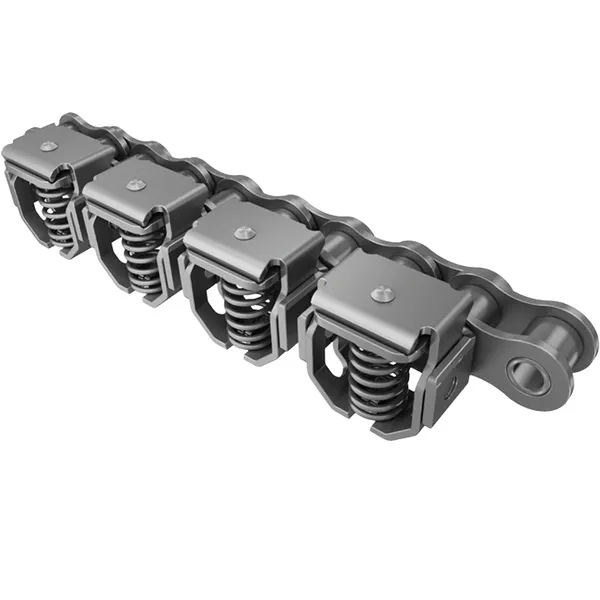
What are the benefits of using a self-lubricating conveyor chain?
Self-lubricating conveyor chains offer several advantages over traditional lubricated chains. Here are some key benefits:
1. Reduced Maintenance: Self-lubricating chains eliminate the need for regular lubrication, reducing the time and effort required for maintenance. This is particularly beneficial in applications where access to the chain is difficult or time-consuming.
2. Cost Savings: By eliminating the need for external lubrication, self-lubricating chains can help reduce lubrication costs over the lifetime of the chain. This includes the cost of lubricants, as well as the labor and equipment required for lubrication maintenance.
3. Clean and Environmentally Friendly: Self-lubricating chains do not require external lubricants, resulting in a cleaner working environment. There is no risk of lubricant spills or contamination of the surrounding area, making them ideal for applications that require strict cleanliness standards, such as food processing or pharmaceutical industries.
4. Extended Chain Life: Self-lubricating chains are designed with built-in lubrication systems that provide a continuous and controlled supply of lubricant to the chain components. This helps reduce friction, wear, and heat generation, resulting in longer chain life and improved performance.
5. Improved Reliability: With consistent and reliable lubrication, self-lubricating chains maintain optimal performance and minimize the risk of chain failure or breakdown. They are less susceptible to premature wear, elongation, and corrosion, ensuring a more reliable and efficient conveyor system.
It’s important to note that the specific benefits of self-lubricating chains may vary depending on the manufacturer and the design of the chain. It’s recommended to consult with the chain manufacturer or an industry expert to understand the suitability and advantages of self-lubricating chains for a particular application.
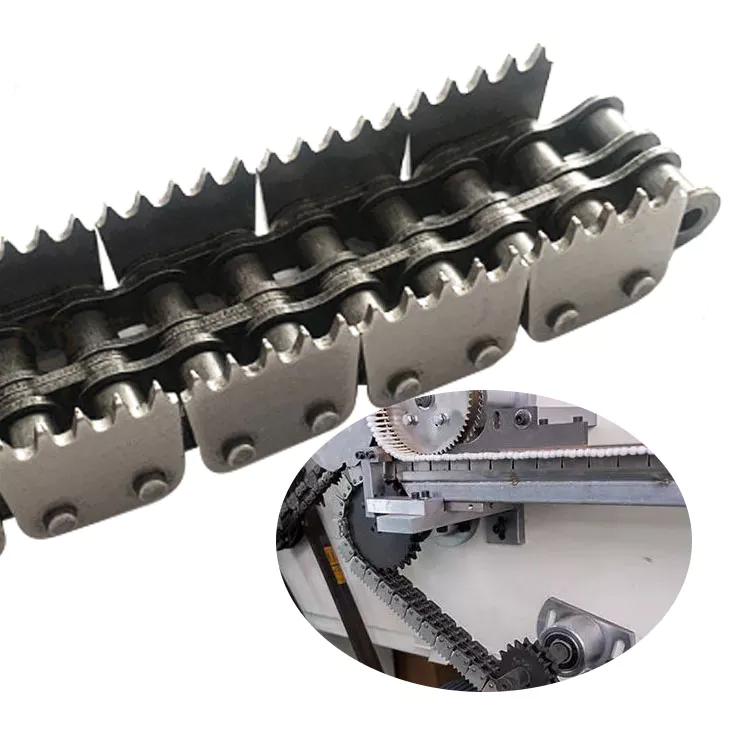
Quali sono le diverse opzioni di fissaggio disponibili per una catena di trasporto?
Le catene dei nastri trasportatori possono essere equipaggiate con vari tipi di accessori per soddisfare specifiche esigenze di movimentazione dei materiali. Ecco alcune opzioni di accessori comuni:
1. Tacchetti o alette: I tacchetti o le alette sono sezioni rialzate fissate alla catena del trasportatore per impedire che i materiali scivolino o si stacchino dalla catena. Sono comunemente utilizzati in applicazioni in salita o in discesa o nella movimentazione di materiali sfusi o alla rinfusa.
2. Piastre laterali o protezioni laterali: Le piastre laterali o le protezioni laterali vengono installate lungo i bordi della catena di trasporto per contenere il materiale e impedirne la fuoriuscita o la caduta dai lati. Sono particolarmente utili per il trasporto di oggetti piccoli o di forma irregolare.
3. Barre di spinta: Le barre di spinta sono estensioni montate sulla catena del trasportatore che possono essere azionate pneumaticamente o meccanicamente per spingere i materiali su una diversa linea di trasporto o deviarli verso una posizione specifica. Sono spesso utilizzate per applicazioni di smistamento o deviazione.
4. Dispositivi di fissaggio o staffe: I dispositivi di fissaggio o le staffe sono dispositivi che si fissano alla catena del trasportatore per assicurare e stabilizzare i materiali trasportati. Garantiscono che i materiali rimangano in posizione fissa durante il processo di trasporto, soprattutto in presenza di vibrazioni o variazioni di velocità.
5. Guide di scorrimento: Le guide di scorrimento vengono installate a fianco della catena del trasportatore per fornire guida e allineamento ai materiali trasportati. Aiutano a mantenere il percorso desiderato e a prevenire movimenti laterali o disallineamenti.
6. Accessori magnetici: Gli accessori magnetici vengono utilizzati nella movimentazione di materiali ferrosi. Permettono alla catena di trasporto di attrarre e trattenere oggetti magnetici, garantendo un trasporto e una separazione efficaci.
7. Piastre di attrezzaggio: Le piastre di attrezzaggio sono piattaforme o superfici di montaggio fissate alla catena di trasporto per alloggiare attrezzature specifiche, come dispositivi di fissaggio, sensori o bracci robotici. Forniscono un'interfaccia comoda e personalizzabile per integrare funzionalità aggiuntive nel sistema di trasporto.
8. Deviatori o unità di trasferimento: I deviatori o le unità di trasferimento sono accessori specializzati che consentono il trasferimento senza soluzione di continuità dei materiali da una linea di trasporto all'altra, o tra diverse stazioni di lavorazione. Garantiscono transizioni fluide e un controllo preciso del flusso dei materiali.
Queste opzioni di fissaggio offrono flessibilità e versatilità nelle applicazioni delle catene di trasporto, consentendo la personalizzazione in base alle esigenze specifiche del materiale trasportato o del processo produttivo. Selezionando gli accessori appropriati, le catene di trasporto possono gestire efficacemente un'ampia gamma di materiali e ottimizzare il flusso di materiale all'interno di un sistema di trasporto.
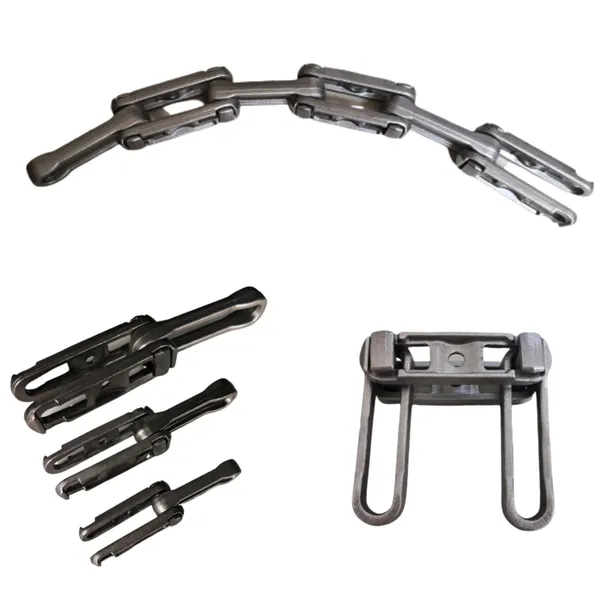
What are the noise levels associated with conveyor chains?
The noise levels associated with conveyor chains can vary depending on several factors:
1. Chain Type: Different types of conveyor chains produce varying noise levels. For example, roller chains tend to generate more noise compared to silent chains or plastic modular chains.
2. Speed: The speed at which the conveyor chain operates can influence the noise level. Higher speeds generally result in increased noise due to the impact and friction between the chain and other components.
3. Chain Condition: The condition of the conveyor chain plays a role in noise generation. Worn-out or improperly maintained chains can produce more noise due to increased friction and vibration.
4. Surrounding Environment: The noise levels can also be affected by the environment in which the conveyor system operates. Factors such as the presence of other machinery, acoustics of the facility, and noise insulation measures can impact the overall noise level.
5. Design and Components: The design of the conveyor system and the choice of components can influence noise levels. Factors such as the use of noise-reducing materials, proper alignment of components, and vibration dampening measures can help reduce noise.
It is important to note that excessive noise levels in the workplace can have adverse effects on the well-being of employees and may require noise control measures to comply with occupational health and safety regulations. Implementing noise reduction strategies like using noise-dampening materials, incorporating proper lubrication, maintaining chain tension, and applying vibration isolation techniques can help minimize the noise associated with conveyor chains.


editor by CX 2023-07-20