
Descrição do produto
CZPT rollers enhance rotation on the bushing while reducing impact loads on the sprocket tooth during operation.
All components are heat treated to achieve maximum strength. All components are heat treated to achieve maximum strength.
Pre-loaded during the manufacturing process to minimize initial elongation.
Hot dipped lubrication ensures 100% lubrication of all chain components to extend wear life and reduce maintenance costs.
| CHC NO. |
PITCH | BUSH WIDTH |
ROLLER DIA |
PIN | PLATE | MIN. STRENGTH |
AVG. STRENGTH |
MAX. STRENGTH |
TRANS PITCH |
|||
| d | L | LC | H | T | ||||||||
| mm | mm | mm | mm | mm | mm | mm | mm | kgf | kgf | kgf | mm | |
| C35-1 | 9.525 | 4.68 | 5.08 | 3.60 | 12.15 | 13.40 | 8.80 | 1.25 | 800 | 1,100 | 220 | NIL |
| C40-1 | 12.700 | 7.85 | 7.92 | 3.98 | 17.80 | 21.00 | 12.00 | 1.50 | 1,420 | 1,950 | 370 | NIL |
| C50-1 | 15.875 | 9.40 | 10.16 | 5.09 | 21.80 | 25.00 | 15.00 | 2.00 | 2,200 | 3,100 | 650 | NIL |
| C60-1 | 19.050 | 12.58 | 11.91 | 5.96 | 26.90 | 31.00 | 18.00 | 2.35 | 3,190 | 4,200 | 920 | NIL |
| C80-1 | 25.400 | 15.75 | 15.87 | 7.94 | 33.50 | 38.00 | 24.10 | 3.20 | 5,680 | 7,500 | 1,500 | NIL |
| C100-1 | 31.750 | 18.90 | 19.05 | 9.54 | 41.10 | 47.00 | 30.10 | 4.00 | 8,870 | 12,100 | 2,300 | NIL |
| C120-1 | 38.100 | 25.23 | 22.22 | 11.11 | 50.80 | 57.00 | 36.20 | 4.70 | 12,770 | 16,000 | 3,100 | NIL |
| C140-1 | 44.450 | 25.23 | 25.40 | 12.71 | 54.90 | 62.00 | 42.20 | 5.50 | 17,380 | 21,000 | 4,100 | NIL |
| C160-1 | 50.800 | 31.55 | 25.87 | 14.29 | 65.50 | 73.00 | 48.20 | 6.40 | 22,700 | 30,000 | 5,400 | NIL |
| C40-2 | 12.700 | 7.85 | 7.92 | 3.98 | 32.30 | 36.20 | 12.00 | 1.50 | 2,840 | 3,900 | 630 | 14.38 |
| C50-2 | 15.875 | 9.40 | 10.16 | 5.09 | 39.90 | 44.00 | 15.00 | 2.00 | 4,440 | 6,200 | 1,100 | 18.11 |
| C60-2 | 19.050 | 12.58 | 11.92 | 5.96 | 49.80 | 54.40 | 18.00 | 2.35 | 6,380 | 8,400 | 1,530 | 22.78 |
| C80-2 | 25.400 | 15.75 | 15.87 | 7.94 | 62.70 | 68.10 | 24.10 | 3.20 | 11,360 | 15,000 | 2,550 | 29.29 |
| C100-2 | 31.750 | 18.90 | 19.05 | 9.54 | 77.00 | 83.10 | 30.10 | 4.00 | 17,740 | 24,200 | 3,900 | 35.76 |
| C120-2 | 38.100 | 25.23 | 22.22 | 11.11 | 96.30 | 102.90 | 36.20 | 4.70 | 25,540 | 32,000 | 5,250 | 45.44 |
| C140-2 | 44.450 | 25.23 | 25.40 | 12.71 | 103.60 | 111.00 | 42.20 | 5.50 | 347,600 | 42,000 | 6,970 | 48.87 |
| C160-2 | 50.800 | 31.55 | 28.57 | 14.29 | 124.20 | 132.10 | 48.20 | 6.40 | 57,460 | 60,000 | 9,150 | 58.55 |
| Uso: | Transmission Chain, Conveyor Chain, Roller Chain |
|---|---|
| Material: | Aço liga/carbono |
| Tratamento de superfície: | Polimento |
| Recurso: | Resistente ao calor |
| Tamanho da corrente: | 3/8"*2" |
| Estrutura: | Corrente de rolos |
| Personalização: |
Disponível
| Solicitação personalizada |
|---|
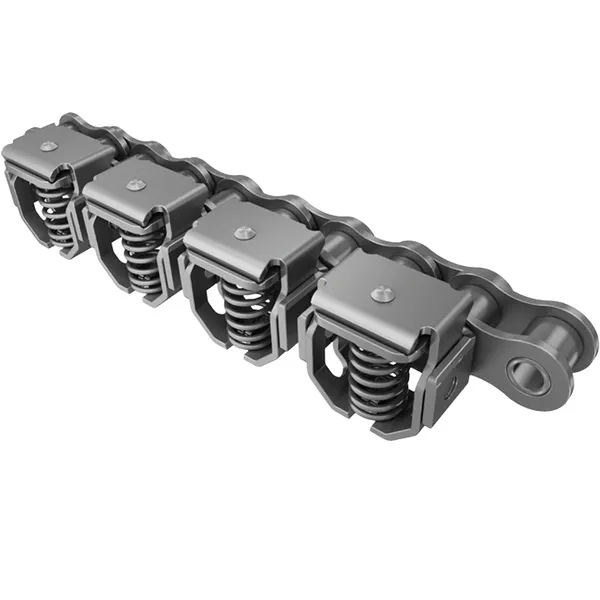
Quais são os benefícios de usar uma corrente transportadora autolubrificante?
As correntes transportadoras autolubrificantes oferecem diversas vantagens em relação às correntes lubrificadas tradicionais. Aqui estão alguns dos principais benefícios:
1. Manutenção reduzida: As correntes autolubrificantes eliminam a necessidade de lubrificação regular, reduzindo o tempo e o esforço necessários para a manutenção. Isso é particularmente benéfico em aplicações onde o acesso à corrente é difícil ou demorado.
2. Redução de custos: Ao eliminar a necessidade de lubrificação externa, as correntes autolubrificantes podem ajudar a reduzir os custos de lubrificação ao longo da vida útil da corrente. Isso inclui o custo dos lubrificantes, bem como a mão de obra e os equipamentos necessários para a manutenção da lubrificação.
3. Limpas e ecológicas: as correntes autolubrificantes não necessitam de lubrificantes externos, resultando em um ambiente de trabalho mais limpo. Não há risco de derramamento de lubrificante ou contaminação da área circundante, tornando-as ideais para aplicações que exigem padrões rigorosos de limpeza, como nas indústrias alimentícia e farmacêutica.
4. Vida útil prolongada da corrente: As correntes autolubrificantes são projetadas com sistemas de lubrificação integrados que fornecem um suprimento contínuo e controlado de lubrificante aos componentes da corrente. Isso ajuda a reduzir o atrito, o desgaste e a geração de calor, resultando em maior vida útil da corrente e melhor desempenho.
5. Maior confiabilidade: Com lubrificação consistente e confiável, as correntes autolubrificantes mantêm o desempenho ideal e minimizam o risco de falhas ou quebras. Elas são menos suscetíveis ao desgaste prematuro, alongamento e corrosão, garantindo um sistema de transporte mais confiável e eficiente.
É importante observar que os benefícios específicos das correntes autolubrificantes podem variar dependendo do fabricante e do projeto da corrente. Recomenda-se consultar o fabricante da corrente ou um especialista do setor para entender a adequação e as vantagens das correntes autolubrificantes para uma aplicação específica.
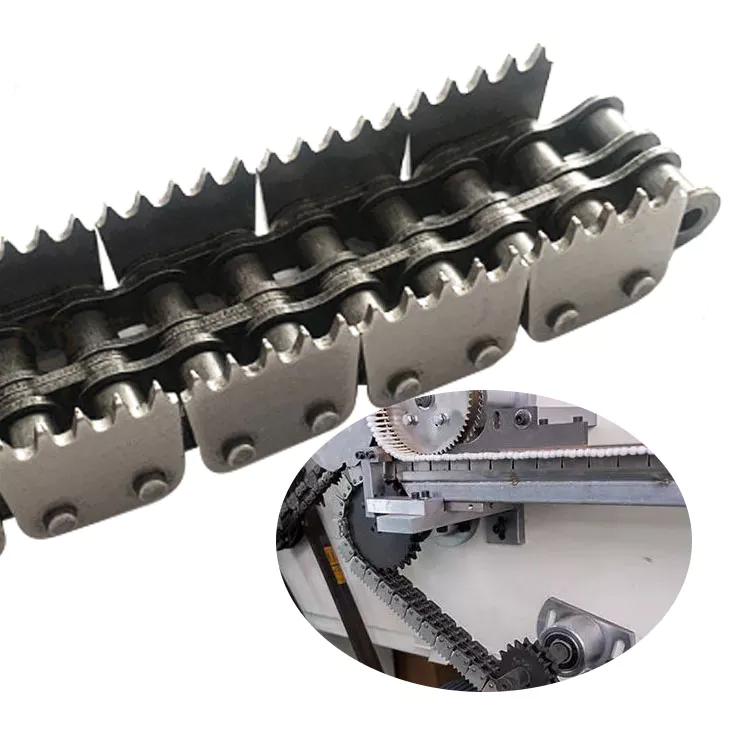
What are the different attachment options available for a conveyor chain?
Conveyor chains can be equipped with various types of attachments or accessories to accommodate specific material handling needs. Here are some common attachment options:
1. Cleats or Flights: Cleats or flights are raised sections attached to the conveyor chain to prevent materials from slipping or sliding off the chain. They are commonly used in incline or decline applications or when handling loose or bulk materials.
2. Side Plates or Side Guards: Side plates or side guards are installed along the edges of the conveyor chain to provide containment and prevent materials from spilling or falling off the sides. They are particularly useful when conveying small or irregularly shaped items.
3. Pusher Bars: Pusher bars are extensions mounted on the conveyor chain that can be pneumatically or mechanically actuated to push materials onto a different conveyor line or divert them to a specific location. They are often used for sorting or diverting applications.
4. Hold-Downs or Brackets: Hold-downs or brackets are devices attached to the conveyor chain to secure and stabilize the transported materials. They ensure that the materials remain in a fixed position during the conveying process, especially when encountering vibrations or changes in speed.
5. Guide Rails: Guide rails are installed alongside the conveyor chain to provide guidance and alignment for the materials being conveyed. They help maintain the desired path and prevent lateral movement or misalignment.
6. Magnetic Attachments: Magnetic attachments are used when handling ferrous materials. They allow the conveyor chain to attract and hold magnetic objects, ensuring effective transport and separation.
7. Tooling Plates: Tooling plates are platforms or mounting surfaces attached to the conveyor chain to accommodate specific equipment, such as fixtures, sensors, or robotic arms. They provide a convenient and customizable interface for integrating additional functionalities into the conveyor system.
8. Diverters or Transfer Units: Diverters or transfer units are specialized attachments that enable the seamless transfer of materials from one conveyor line to another, or between different processing stations. They ensure smooth transitions and precise material flow control.
These attachment options offer flexibility and versatility in conveyor chain applications, allowing customization based on the specific requirements of the material being transported or the production process. By selecting the appropriate attachments, conveyor chains can effectively handle a wide range of materials and optimize material flow within a conveyor system.
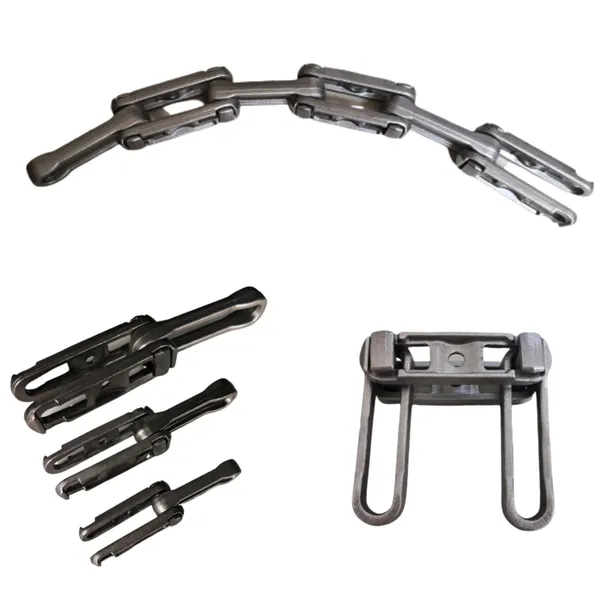
Quais são os níveis de ruído associados às correntes transportadoras?
Os níveis de ruído associados às correntes transportadoras podem variar dependendo de diversos fatores:
1. Tipo de corrente: Diferentes tipos de correntes transportadoras produzem níveis de ruído variados. Por exemplo, as correntes de rolos tendem a gerar mais ruído em comparação com as correntes silenciosas ou as correntes modulares de plástico.
2. Velocidade: A velocidade de operação da corrente transportadora pode influenciar o nível de ruído. Velocidades mais altas geralmente resultam em maior ruído devido ao impacto e atrito entre a corrente e outros componentes.
3. Condição da Corrente: A condição da corrente transportadora influencia a geração de ruído. Correntes desgastadas ou com manutenção inadequada podem produzir mais ruído devido ao aumento do atrito e da vibração.
4. Ambiente circundante: Os níveis de ruído também podem ser afetados pelo ambiente em que o sistema de transporte opera. Fatores como a presença de outras máquinas, a acústica das instalações e as medidas de isolamento acústico podem impactar o nível de ruído geral.
5. Projeto e Componentes: O projeto do sistema de transporte e a escolha dos componentes podem influenciar os níveis de ruído. Fatores como o uso de materiais redutores de ruído, o alinhamento adequado dos componentes e medidas de amortecimento de vibração podem ajudar a reduzir o ruído.
É importante ressaltar que níveis excessivos de ruído no ambiente de trabalho podem afetar negativamente o bem-estar dos funcionários e podem exigir medidas de controle de ruído para atender às normas de segurança e saúde ocupacional. A implementação de estratégias de redução de ruído, como o uso de materiais atenuantes, a lubrificação adequada, a manutenção da tensão da corrente e a aplicação de técnicas de isolamento de vibração, pode ajudar a minimizar o ruído associado às correntes transportadoras.


editor by CX 2023-07-20